Results for art

Calling All Art And Bike Enthusiasts

Posted June 19th, 2008 by Boston Biker

This year’s Art Beat Festival (Saturday, July 19th, Davis Square)is following a ‘green’ theme and will be featuring activities and displays surrounding biking and bike culture. In addition to designing a bike and helmet customization/decoration center, we are aiming to feature a display/contest of artistic,
creative and unique bikes from the surrounding community.

How to Get Involved:
If you are interested in displaying your bike please contact the Somerville arts council with further details and images if possible. Space is limited but they are hoping to display as many bikes as possible!

Somerville Arts Council
Email: artbeatbikes@yahoo.com
Phone Number: 617 625 6600 ext 2985 (Jessie, SAC intern)

DEADLINE FOR ENTERING: MONDAY JULY 7

Broadway Bicycle School Gallery Opening

Posted June 6th, 2008 by Boston Biker

Come get your art on, WHILE getting your bike on. Broadway is run by some cool cats, and now they have some cool art to prove it.

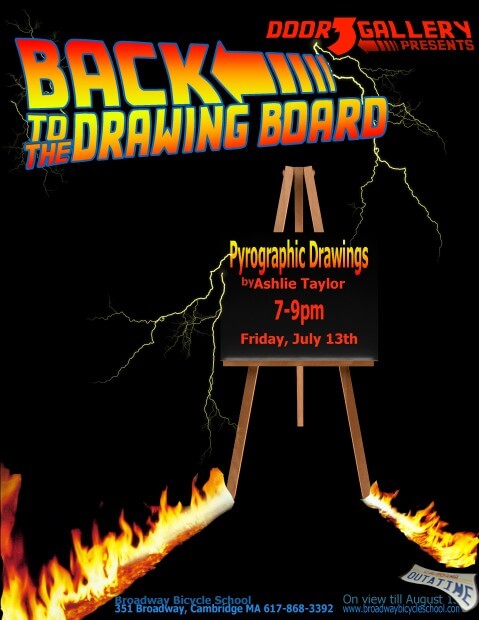
Thursday the 12th is the Grand Opening of the new Door 3 Gallery at Broadway Bicycle School. A two artist show on the theme of bicycles.

Wine and Cheese will be available 7pm-830pm NOTE: the shop will be open for regular business at this time. Come on people wine AND cheese AND art AND bikes, pure win.

Top Bike resources available online

Posted March 28th, 2008 by jahontaylor

http://bicycling.511.org/

You are the most important part of your bicycle. Your bike should be sized to fit your body proportions and should match your style of riding, your skill level and where you plan to ride. The equipment you need depends on the type of riding you plan to do, but a safety-rated helmet and a strong lock are essential. Whether your bike is new or old, its gears, chain, brakes and tires must be in good working order.  Continues…http://bicycling.511.org/aboutyourbike.htm

http://www.sbbike.org/

Want to find out what’s happening on the Web for bicyclists? Here is our list of sites to check out, with an emphasis on California and regional resources. Clicking on any site will open it in a new browser window. Jump to the area that interests you most:

  • Santa Barbara County bicycling
  • California bicycling advocacy
  • US bicycling advocacy
  • International bicycling advocacy
  • Bicycling standards & planning
  • Sustainable transportation
  • Online periodicals about bicycling
  • Bicycle commuting

http://la-bike.org/

The following presents a few guidelines for safer riding for cyclists and motorists:

  • Always wear a helmet.
  • Always ride in the same direction as traffic.
  • Be predictable and ride in a straight line. Do not weave in and out of parked cars
  • If the lane is wide enough to safely share with cars, ride to the right side. Do not try to share the lane if it is too narrow. Do not ride in broken pavement or debris at the side of the street. Take the center of the lane if necessary.
  • Ride far enough in the lane around parked cars so that you will not collide with opening car doors.
  • When proceeding straight through an intersection with right-turn lanes, move to the lane going straight and allow vehicles to turn right on your right side.
  • When making a left turn, move to the left before completing the turn, just like a motor vehicle. If you do not feel safe doing this, ride straight and cross the street you want to turn onto. At the other side of the street, dismount and turn your bike in your desired direction, then proceed when it is safe and legal to do so.
  • When riding at night, always wear light colored or reflective clothes, and use both front and taillights, as well as reflectors.

http://www.bicyclesource.com/

Choosing Bike parts and gear:

Saddles: Is Softer Better
The first impulse a newbie rider who finds a saddle uncomfortable is to replace it with a softer one. Soft seats put the force of the rider’s weight in all the wrong places, rather than the sit-bones. Big springs may look plush, but they don’t work.
Bike Suspension

Suspension has been advancing rapidly mainly because of the spread of mountain biking. Whether it is front or rear, this article describes the advantages of each different type of suspension for your bike.
Sportswear Fabric Types and Attributes

What to wear on a ride? This article describes the differences between several different fabrics. GoreTex, Dacron, Lycra, Polypro: which material will give the best performance in a given condition?
What to Bring on a Ride

A comprehensive list of what to bring on bike rides, remember it’s always the tool you don’t have that your bicycle will need. How much food you will need and how to not get lost, be ready for anything….
Frame Construction

Learn about the different ways bike companies are manufacturing their frames. Strength, weight, durability of each construction technique.

What should your new bike have? Better find out…
Testing Brake Pads

Brake pads can make a significant difference in the stopping power of your bicycle, especially mountain bikes. This test shows which pad performs best in both wet and dry conditions… read on…
Brake Performance

A paper testing the temperature rise and performance on a steep descent from using two rim brakes, only the rear rim brake, and using a coaster brake. Lots of interesting information.
Bicycle Hardware Manufacturers on the Web

Links to scores of web sites of companies that makes bikes and components for both the road and trail. One of the best cycling company hyperlink lists on the World Wide Web.

Weekend Roundup 20080309

Posted March 9th, 2008 by teeheehee

I missed posting last weekend, so I’ve got more for this weekend!

Windproof shoe toes using inner tubes, from Make.

Windproof shoe toes using inner tubes

Bike Chain Cuffs at Firebox, via Gizmodo. I wonder if they are susceptible to a chain tool attack? An interesting style, and may be a foreshadowing to bicycle thieves who get caught.

Handcuff bicycle lock

Bicycle art with light bulbs, from Make.

Light bulb project

Light designs like a smiley face or other do-it-yourself persistence of vision (POV) images on wheels (like an animated PacMan,) from Make and more Make. A more chintzy and commercialized version over at HokeySpokes.

Joyrider, happy face wheels PacMan spoke persistence of vision project

This place sells lights that don’t need batteries. They’re not powered like some old bottle dynamo ones, there’s no friction. Plus, here’s a more DIY approach for the tinker-hearty.

No-battery lights, fitting

Lastly, for those of you who wear high heels don’t forget to dress appropriately when making your way down Massachusetts Avenue. This shade of green does not go with the worn blue look, though thank you for riding and representing the Green Streets Initiative! Seen on Boston.com.

Green heels bicycling

The Art of (Urban) Cycling

Posted March 2nd, 2008 by teeheehee

The Art of Cycling (A Guide to Bicycling in 21st-Century America) is a new title (and ever-so-slight revision) of The Art of Urban Cycling (Lessons from the Street), by Robert Hurst.

The Art of CyclingArt of Urban Cycling


I originally purchased and read Urban about a year ago as I started getting more involved and interested in bicycling and bike safety. Urban is no longer printed, but all of the content (with one or two more pages worth of revisited material) is available as The Art of Cycling, sans Urban in the title.

There is an awful lot in this book, and it’s all broken down rather neatly. You can get a lot of ideas about what is contained by scanning the extensive chapter list.

The Art of Cycling, 251 pages

  1. Frankenstein’s Monster
    • Continuum
    • Bicycles in the Age of Manure: Leonardo to Starley
    • The Bicycle Craze of the 1890s
    • Chumps of the Road
    • From Bicycles to Automobiles in Sixty Seconds
    • Speed and Greed
    • Barney Oldfield and the Arena of Death
    • A Dark Wave Cometh
    • Fake Gas Tanks
    • Transportation and the Shape of Cities
    • Automobile Suburbs
    • The Great Streetcar Massacre
    • Congestion
    • Enclosure
    • Rage
    • Cycling in the New American City
    • Invocation
  2. The City Surface
    • Pavement: Get Over It
    • Responsibility and Surface Hazards
    • The Great American Pothole
    • Cracks and Seams
    • Waves
    • Lane Markers
    • Wet Metal
    • Drainage
    • Railroad Tracks
    • Toppings
    • Plazas
    • Curbs
  3. In Traffic
    • Beyond Vehicular Cycling
    • Blame Versus Responsibility
    • Vigilance
    • Route Choice
    • Road Position and Location
    • The Invisible Cyclist
    • Space Versus Visibility
    • The Myth of Lane Ownership
    • Running Green Lights
    • Eye Contact, Stop Signs, and Fake Right Turns
    • The Gap Effect
    • Four-way Stops
    • Momentum
    • Notes on Traffic Lights
    • Waiting at Traffic Lights
    • Running Red Lights
    • Left Turns
    • Corner Cutters
    • Looking Back
    • Seeing without Looking
    • Instinct Unveiled
    • Turn Signals
    • Hand Signals
    • In Defense of Gutters
    • The Door Zone
    • Reading Parked Vehicles
    • Close Combat: Positioning in Heavy Traffic
    • Riding a Straight Line
    • Track Stands
    • Turning and Cornering
    • Panic Stops
    • Bicycle Lanes and Paths: Good or Evil?
    • On the Bike Path
    • Sidewalks and the Law
    • Riding in Suburbia
    • Riding at Night
    • Riding with Others
  4. Bicycle Accidents and Injuries
    • The Statistical Quagmire
    • The Stats at a Glance
    • Cycling Fatalities
    • The Paradox of Experience
    • The Accident Immune System
    • Road Rash
    • Collarbones
    • How to Fall
    • Facial Injuries
    • Head Injuries
    • Other Injuries
    • Disclaimer
    • The Helmet Controversy
    • What Are Helmets Built For?
    • Torsion Injuries
    • The Helmet Verdict
  5. Air Pollution and the Cyclist
    • A Historical Reality Check
    • The Good News about Air Pollution
    • What Am I Breathing and What Does It Do to Me?
    • Breathing Strategies for the Cyclist
    • Does Air Pollution Cancel the Health Benefit of Cycling?
  6. Punctures and Flat Tires
    • Flat Repair Equipment
    • Fixing Flats: A Primer
    • Broken Glass
    • Tire Wiping
    • Glassphalt
    • Tribulus Terrestris
    • A Thorny Dilemma
    • Random Sharpies
    • Pinch Flats
    • Blowouts
  7. Equipment
    • The Cult of Equipment
    • Bike Choice
    • Track Bikes
    • Bike Fit
    • Tools
    • Clothing
    • Messenger Bags, Backpacks, and Panniers
    • Drivetrain Maintenance
  8. Epilogue: Of Bicycles and Cities

As you can see from the table of contents there is a diverse range of topics covered. History, road surface types and conditions, repairs and maintenance, health, statistics, even different philosophies of riding are given a fair shake, and if the author feels anything needs to be dismissed from the cyclist’s habits there is an adequate reason provided.

Robert’s prose talks to the reader in a familiar, friendly manner. It is like chatting with someone over coffee and you have just asked them all sorts of questions about biking around. The right questions. The answers come in an articulate and pleasant manner and is mixed with all kinds of extra bits of knowledge (perfect for trivia) that make the entire read enjoyable and hard to put down.

The word “blame” came to the English language by way of the Latin word blasphemare, meaning “to blaspheme.” The Old English version of the verb “to blame” had a very negative connotation. It implied dishonesty. Blame had roughly the same meaning as “malign” or “libel.” Somewhere along the line, the definition of blame got all twisted up. Blame ceased to be a very bad thing and became quite respectable - not a proud or useful moment in human history.

The Art of Cycling, pg. 66

This is a book geared towards many varieties of cyclists, but is mostly based around urban cycling. A good deal of the book is devoted to the very important aspects of safety: handling yourself in traffic and knowing how to avoid or handle a bad situation.

In the Introduction Hurst lets the reader know that the content is not catering entirely to one particular type of cyclist, but picks useful things from different camps to come out with a style that is advanced and at the same time not hooked to bike-as-a-vehicle (vehicular) or the invisible bike styles. An “organic” style.

The vehicular style is just that: ride and pretend you are a car, do everything a car would do, and you should be safe. The invisible bike style is more ninja-like, you ride as if no one can see you so you try to find a space on the road where you will be safe regardless of your visibility. Hurst finds that there are benefits to both styles, but these benefits are found when applied at appropriate times and places. Knowing when to adopt certain aspects of any style comes mostly through experience and a rider’s personal skill level. If you can’t jump a curb then you should not find yourself too close to one all the time, you need to leave yourself a way out of any situation. Common sense plays a big part of the decision making.

Accounting for the perceptions and reactions of others is one of the cyclist’s primary tasks.

The Art of Cycling, pg. 154

Most of all I enjoyed reading this book because of the ideas it presented. The author considers some parts it covers to be adult themed because decisions of safety in traffic don’t come immediately to riders who haven’t matured in their understanding of the various dangers. Responsibility of the rider is key, and cannot be substituted for with laws. Being able to identify potential situations, being aware, and knowing one’s own riding abilities are core skills, but deciding how to handle a situation is more a matter of the responsibility of the rider.

Also, because of this book I am currently becoming familiar with Effective Cycling by John Forester, which is the epitome of vehicular style riding, and is referenced by Hurst. I feel there are some great values to vehicular riding, and even greater lessons to be learned about the mentality of refusing to put bicycling in an inferior position on the road. That said I would give more credence to the idea of an “organic” approach to cycling as safety does not stem purely from an idealistic point of view; practicality is a more sound approach in my opinion. One day I hope to leave behind the debates cyclists have with each other about whether or not having bike lanes or side paths are a good idea. Until then I’ll use whatever road devices are at my disposal to ensure my safe and enjoyable travel from A to B. And wish you all safe an happy travels as well.

I highly, highly recommend this book in either of its titled forms. I’ll be re-reading it again shortly, myself.

About the Author

Robert Hurst is a veteran bicycle messenger and all-around urban cyclist who has cycled more than 150,000 miles and 15,000 hours in heavy traffic. in this time, he has completed something like 80,000 deliveries. Robert is also the author of Mountain Biking Colorado’s San Juan Mountains: Durango and Telluride (FalconGuides) and Road Biking Colorado’s Front Range (FalconGuides).

The Ultimate Wooden Bike

Posted February 19th, 2008 by Boston Biker

Mostly when people talk about frames they mention things like aluminum, steal, maybe carbon fiber, hardly ever do you hear talk of wood. If you do it is most often in the context of very very old wheel rims, this young man however has gone and beat everyone. Behold the wooden bicycle.

wooden bike

I mean wood, the chain is wood, the wheels, it even has a flywheel for easy coasting (guess it’s kind of hard to do a track stand with a wood chain).

For more wooden bike wonders see here. I am guessing that poor thing would get eaten alive by Boston’s roads, but it is pretty.